How I Bootstrapped Beardbrand to $50M in Revenue

In a wide-ranging interview with AppSumo, I explain how I built Beardbrand. I started with a $30 Shopify theme. Today, it is a bootstrapped company with over $50 million in lifetime revenue. We currently generate around $3.8 million per year without outside debt. I share my early moves, content strategy, product choices, hiring lessons, and community-building tactics below.
Quick Answer
- Beardbrand started with a $30 Shopify theme and grew to over $50 million in lifetime revenue without outside funding.
- The company used a content-first strategy, building a YouTube audience of over 2.1 million subscribers to drive sales naturally.
- Long-term success came from conservative financial planning, careful hiring, and building a private customer community.
Table of Contents
- Validating the idea & early days 🧪
- Rapid growth, Shark Tank & the wake-up calls 📺
- Content-first strategy: YouTube, blog & community 🎥
- Product-market fit and product experiments 🧴
- Hiring right and running the company 🛠️
- Financial philosophy: bootstrapped and debt-free 💸
- Community, core values & membership 🤝
- Advice for founders: pick the growth channel that fits you ✅
- Where to find me and next steps 🔗
- FAQ ✍️
Validating the idea & early days 🧪
I started Beardbrand in 2013 as a side project. I was doing freelance web design and previously worked as a financial advisor. The idea came from meeting other professionals at a beard competition in Portland. I realized there was a specific niche. The “urban beardsman” wanted practical grooming help without the typical stereotypes.
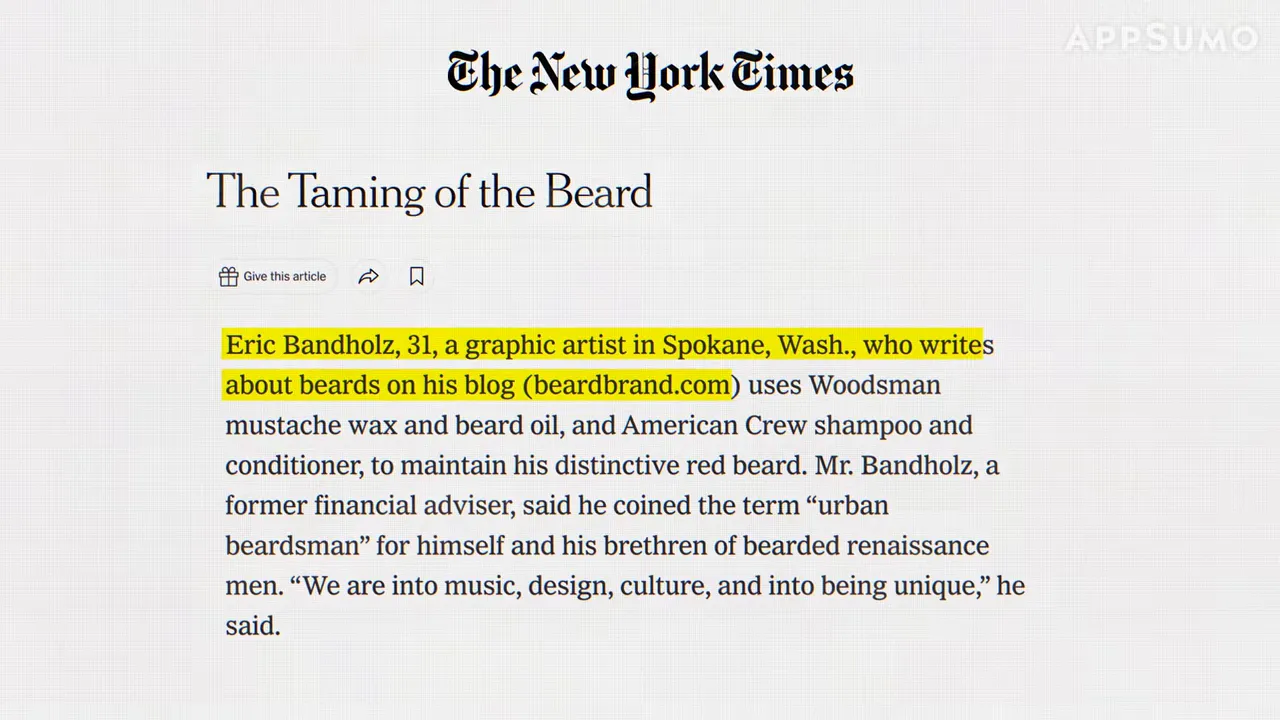
Validation came fast. A blog and a single video about growing a beard caught attention. We even secured a feature in the New York Times. We rushed to launch a site before that story ran and saw orders from strangers on day one. Early traction was small but meaningful. We made hundreds to low thousands of dollars per month. Within six months, we hit a consistent $25,000 per month. We finished our first year on roughly a $1 million run rate.
Rapid growth, Shark Tank & the wake-up calls 📺
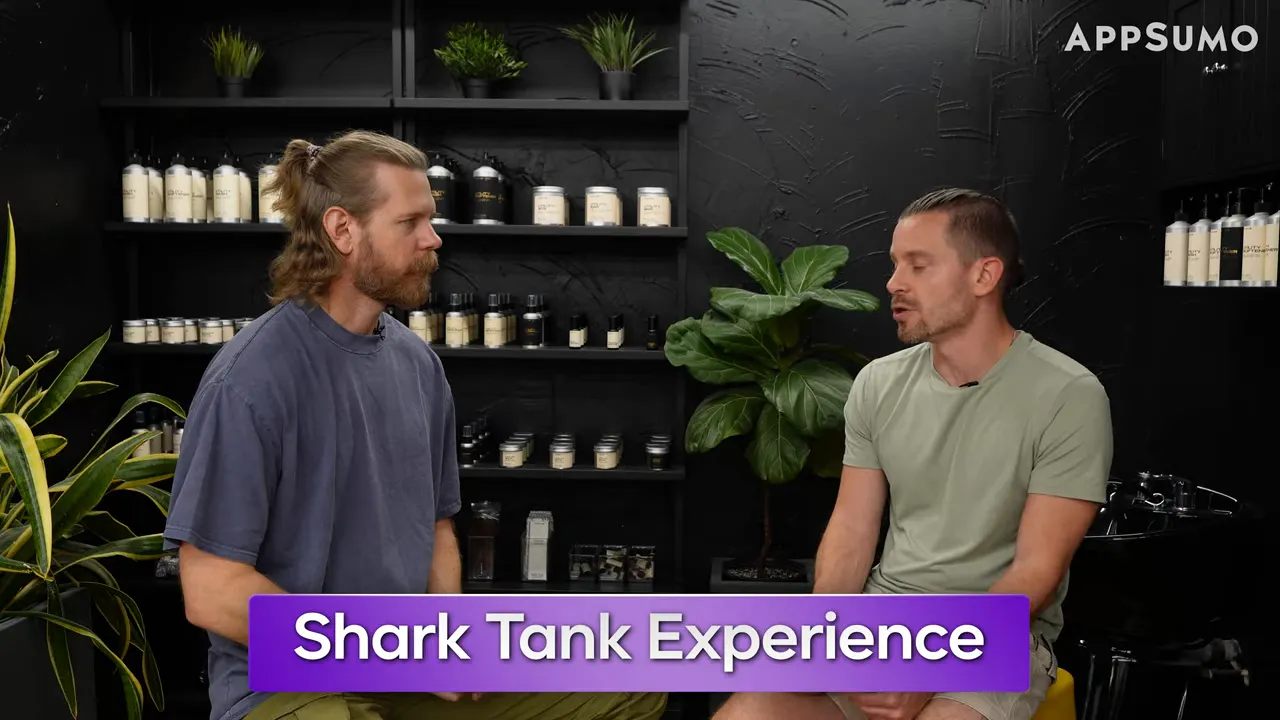
We applied to Shark Tank. After their outreach, we went through the prep and legal work. Traffic spiked when our episode aired. I saw screenshots showing up to 7,000 simultaneous visitors. PR and big moments drive attention. You still need systems to capture and nurture that traffic. We lacked an aggressive capture flow at the time. We missed converting more of that massive traffic spike into long-term customers.
Content-first strategy: YouTube, blog & community 🎥
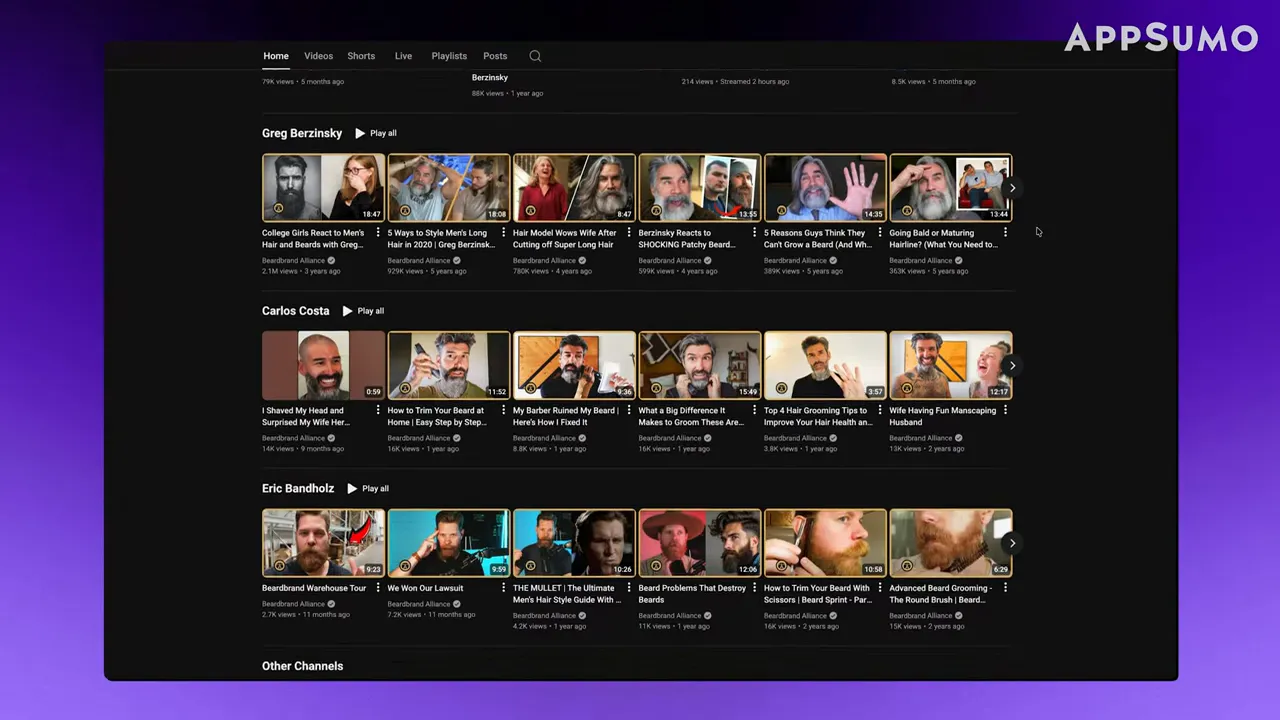
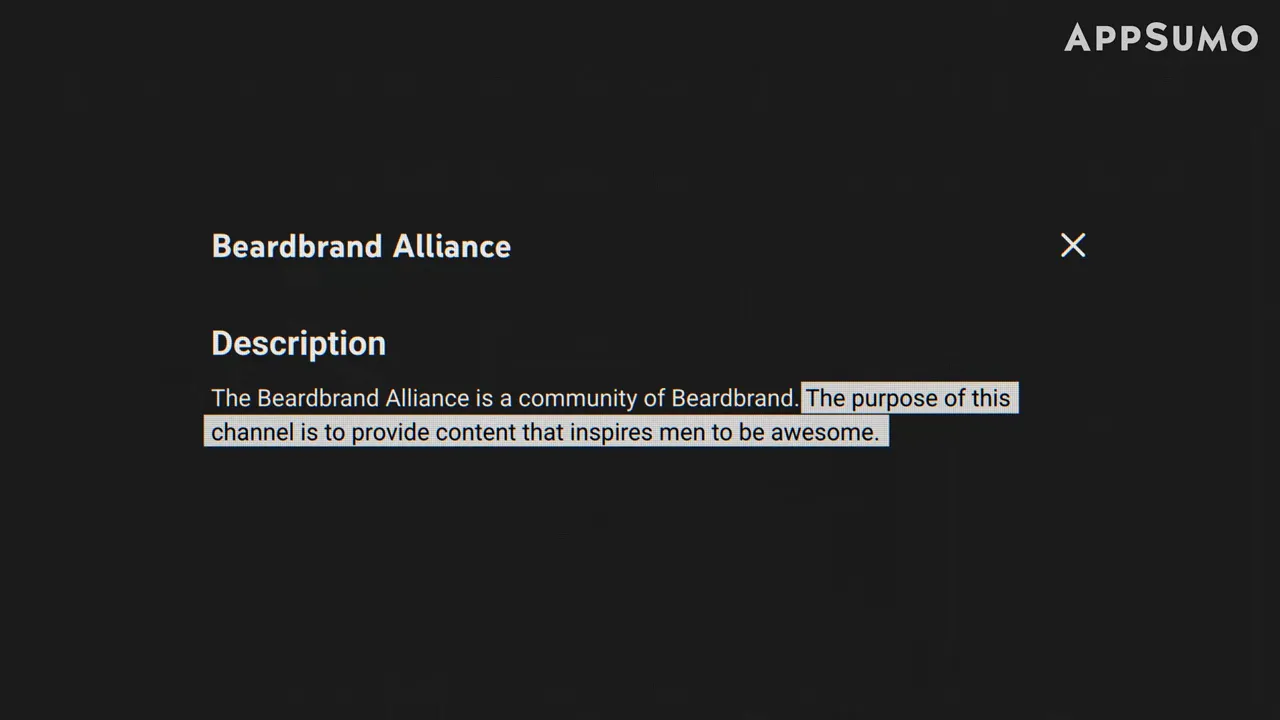
Our mission from day one was to help men level up instead of just selling jars of product. That required a content-first approach. We used blog posts, visual inspiration on Tumblr, and tutorial videos on YouTube. Today, we run two channels. The main Beardbrand channel features barbershop-style content and has over 2.1 million subscribers. The Beardbrand Alliance focuses on tutorials and community building.
Content drove more than just traffic. It trained people to use grooming tools without any stigma. At our peak, roughly 65% of customers reported first hearing about us on YouTube. Our post-purchase surveys confirmed this. That brand-building role is hard to capture in standard analytics. It shows up clearly in customer recall.
Product-market fit and product experiments 🧴
Early on, we experimented with lifestyle goods like wallets, bags, and suspenders. Those items failed compared to grooming products. You have to iterate until something feels easy. This does not mean the work is painless. It means the market actually wants the product, and adoption happens naturally. Grooming products were the easy fit for us.
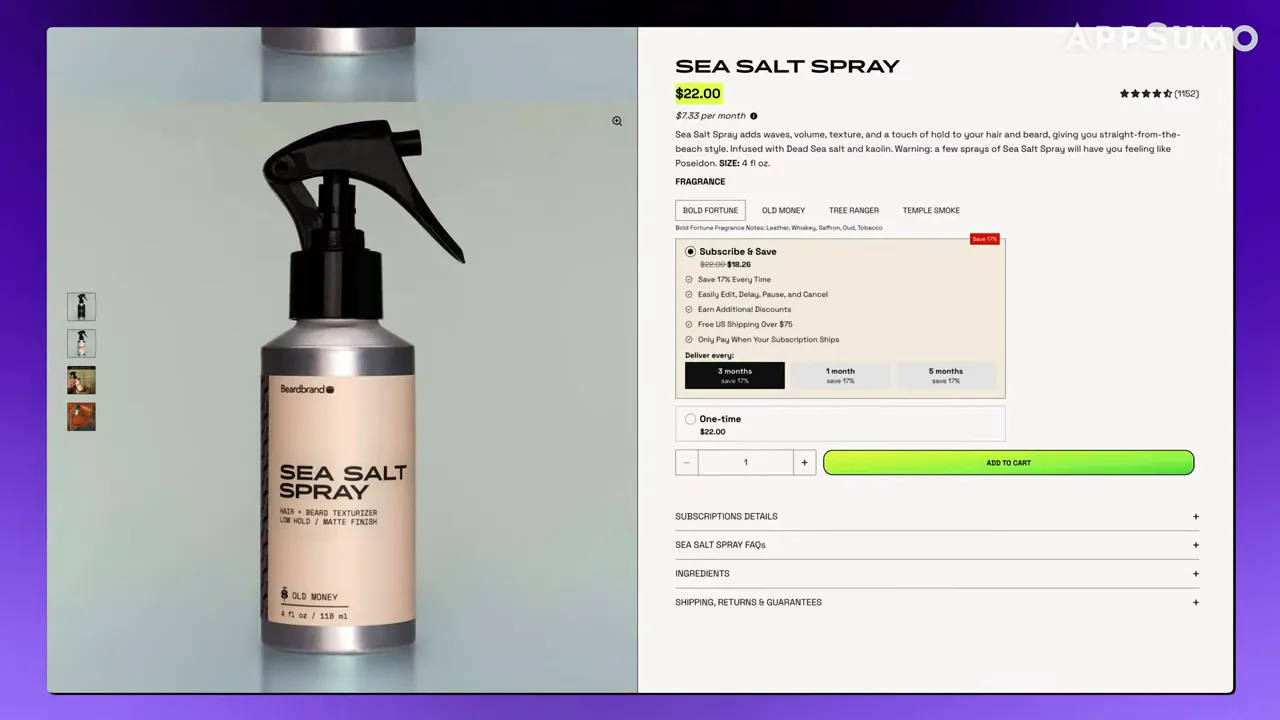
We also leaned into novelty and authenticity. For example, our sea salt spray contains kaolin clay to recreate the sandy texture of a day at the beach. Small, unique innovations build long-term product love.
Hiring right and running the company 🛠️
One of our biggest early mistakes was hiring without a repeatable process. We got lucky with an amazing Craigslist hire. We assumed hiring would always be easy. We suffered high turnover when that luck ran out. The fix was implementing top-grading. We require candidates to arrange reference checks with former supervisors. We make reference validation part of every step. That simple expectation weeds out poor matches early.
Tooling that helped us scale:
- Shopify as the commerce platform
- Klaviyo for email (we recently moved SMS into Klaviyo too)
- JudgeMe for reviews
- TidyCal for scheduling
- Grapevine (post-purchase surveys) to ask customers how they first heard about us
Financial philosophy: bootstrapped and debt-free 💸
Beardbrand is entirely bootstrapped. We reinvested our earnings. Our partners put in modest amounts early on, and we prioritized keeping the books conservative. We avoided lines of credit and cash advances. That conservative approach let me sleep at night. It gave the company freedom to steer long-term instead of chasing risky returns.
A quick origin detail is worth repeating. The first Shopify theme cost me roughly $30. That low-cost start is why I believe entrepreneurship can begin with very little capital. You just need to be smart about your product and audience.
Community, core values & membership 🤝
Community has been a strategic advantage. Our core values are freedom, hunger, and trust. These values attract an audience looking for a meaningful connection. The Beardbrand Alliance is a YouTube channel and a private community hosted on Discourse. We grant access to customers who have purchased three times or spent over $150. This creates a safer space for vulnerability and real conversations. We connect our online community to in-person events and retreats to strengthen relationships.
Advice for founders: pick the growth channel that fits you ✅
Building a business requires a personality match. A content-first approach is powerful if creating content excites you and you can sustain it for years. A product or ads-first route might be a better fit if data, spreadsheets, and listing optimization energize you. I always pass on this rule. Pursue the path that feels energizing over the long haul. The work will be hard no matter what, but the right path should not feel like a punishment.
Selling should feel more like keeping up with demand than struggling to find buyers when product-market fit is real. Iterate on what you offer and who you target if you constantly hit a wall getting people to buy.
Where to find me and next steps 🔗
Come find me on X at @bandholz or check out Beardbrand.com if you want to see the experience end-to-end. Try a product. Experience our packaging and email flows. See exactly how a product-first but content-driven business operates.
FAQ ✍️
How much did it cost to start Beardbrand?
I launched with about $30. This was the cost of a Shopify theme at the time. We received small investments from business partners later on. We remained conservative and bootstrapped from there.
Is Beardbrand funded or bootstrapped?
Beardbrand is entirely bootstrapped. We never took venture capital and do not carry business debt. We reinvest all profits back into growth.
How important was YouTube for growth?
It was extremely important. We grew to two channels. The main channel has over 2.1 million subscribers. At our peak, about 65% of customers reported first hearing about us via YouTube.
What tools should I use for an e-commerce business?
We use a few common stack items. We rely on Shopify for the store, Klaviyo for email/SMS, JudgeMe for reviews, and TidyCal for scheduling. We also use a post-purchase survey tool like Grapevine to capture first-touch data.
What hiring mistakes should I avoid?
Do not assume luck will repeat. Implement a repeatable hiring process. We use a top-grading style where references are part of the application flow. This reduces turnover and raises the quality bar.
How do I know if content-first is right for my company?
Ask yourself whether you can sustain content creation for years instead of just months. It is a strong channel if it energizes you and aligns with your mission. Choose a different path if you prefer digging into analytics and product listings.